Roof Repair and Leak Detection in Greater Sacramento
A ceiling stain tells you where water became visible, not necessarily where it entered the roof. Titan Roofing helps Greater Sacramento homeowners investigate leaks, understand the condition of the surrounding roof, and compare a focused repair with broader work. Start with a free inspection and a conversation about the symptoms you have noticed. The useful next step is a documented diagnosis, not a guess based only on the age of the roof or the size of an indoor stain.
Service Area
Sacramento
Roseville
Folsom
Elk Grove
Rocklin
Granite Bay
El Dorado Hills
Citrus Heights
Carmichael
Fair Oaks
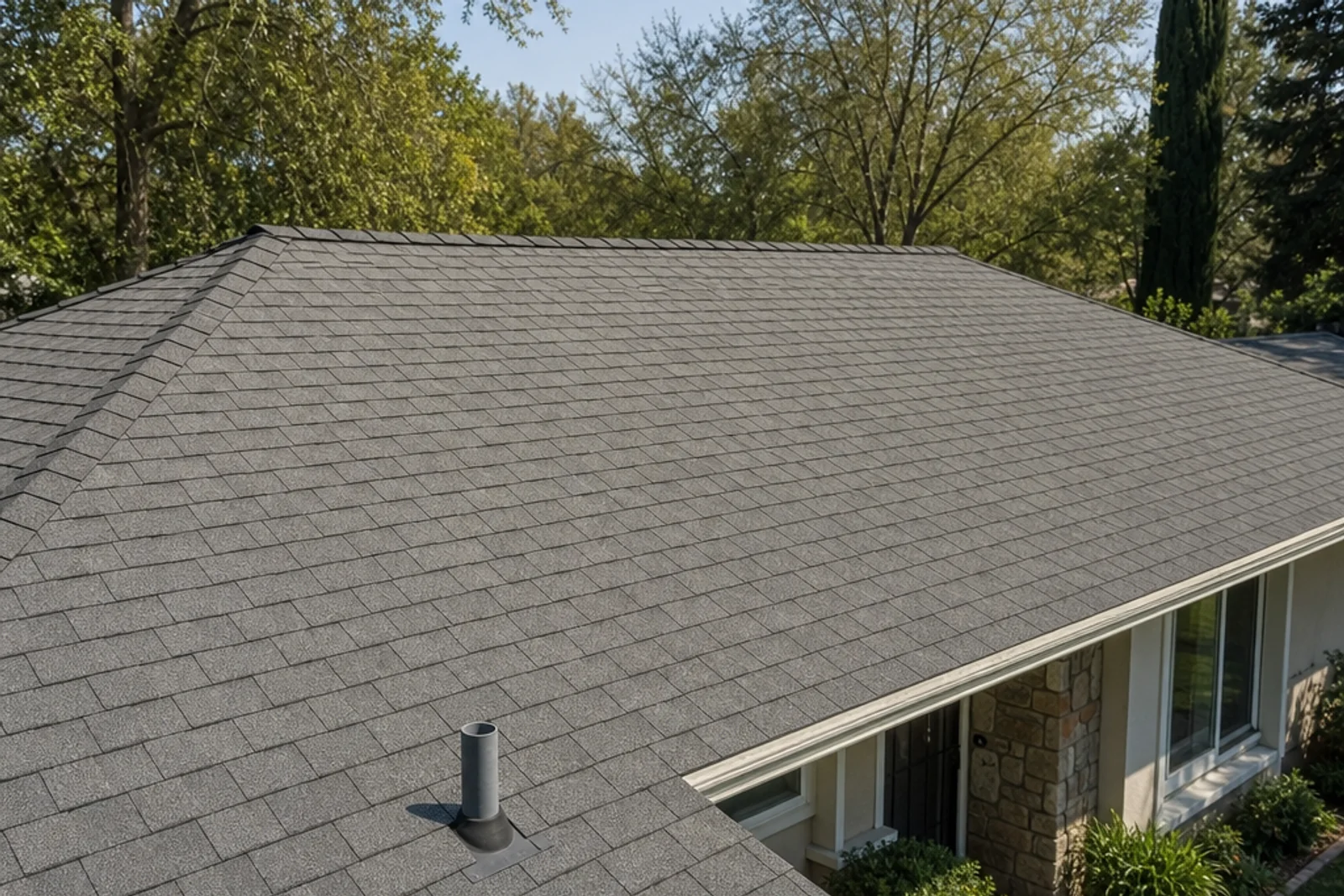
Google 4.9 ★★★★★What a focused flashing repair can involve on a Sacramento-area shingle roof.
Sacramento roof leaks: weather is the trigger, not the diagnosis
Sacramento Valley homes experience long dry summers followed by seasonal rain. Weathered shingles, exposed sealant, and deteriorating penetration flashings can become apparent when the first substantial rain arrives. Wind-driven rain may reveal a weakness at a wall intersection that stays dry during a gentler storm. Leaves and debris can also interrupt drainage at gutters and valleys. These are inspection clues, not proof that every leak has the same cause.
NOAA describes atmospheric rivers as concentrated corridors of water vapor that can produce heavy rain or snow when they reach land. Prolonged rain gives an existing opening more time to admit water, while strong winds can change how rain reaches roof transitions. An atmospheric river does not identify which component failed; a pipe flashing can still be the entry point during that storm.
A level valley ranch and a foothill property may have different access, roof slopes, trees, and drainage paths. Homes toward the foothills require a property-specific review rather than assumptions based on a city name. Tell the inspector whether leaking starts immediately, follows hours of rain, or happens only when wind comes from a particular direction.
How a roof leak is traced from the ceiling to the entry point
Diagnosis begins with the history of the leak: the room affected, when the stain appeared, recent storms, previous repairs, and any nearby roof penetrations. Photographs taken safely indoors can help show whether the affected area has expanded. A stain that appears below a vent is a reason to inspect that vent, but water can travel along framing or the underside of roof decking before dripping into the room.
When access is safe, an attic inspection may reveal damp decking, water tracks on rafters, stained insulation, or more than one wet area. The investigation should also consider condensation or a plumbing problem rather than assuming every ceiling stain is a roof leak. Access limitations matter: an inaccessible attic means the scope should explain what was and was not observed.
The exterior review then examines the roof covering and its transitions. Common checkpoints include pipe boots, skylight curbs, chimney flashing, valleys, exposed fasteners, and roof-to-wall connections. Flashing must work with the layers around it to shed water downhill. Covering a visible crack with sealant without understanding those layers can leave the actual entry path untouched.
Ask for photographs and an explanation connecting the observed defect to the indoor symptoms. Sometimes selective opening is needed to evaluate underlayment or decking. Any additional investigation should have a clear scope and authorization rather than treating concealed conditions as already known.
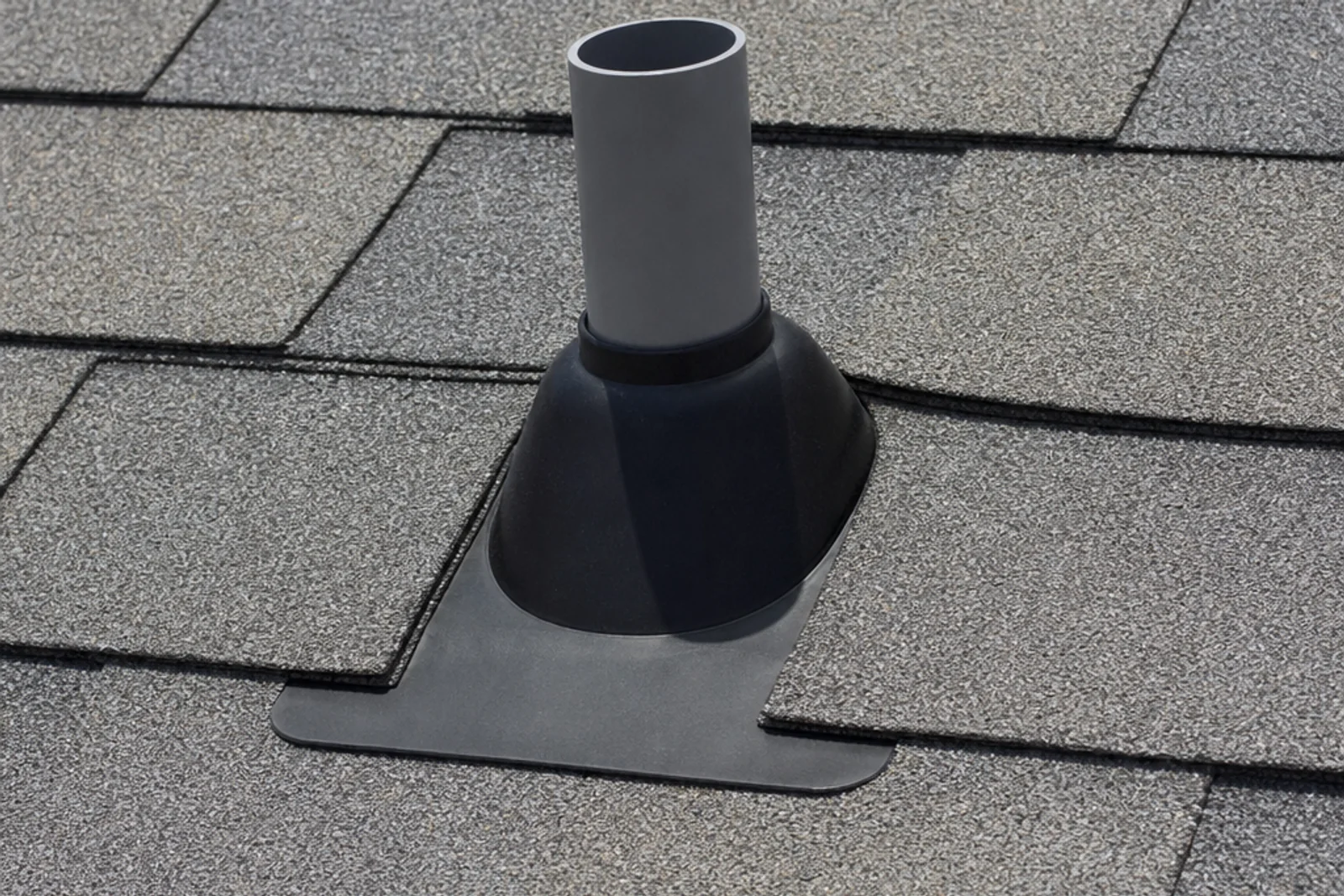
A closer look at pipe flashing and the surrounding shingles during repair planning.
What to do safely while rain is leaking indoors
Keep people and pets away from wet electrical fixtures, outlets, and sagging ceilings. Do not touch a wet light fitting or stand beneath bulging drywall to examine it. If there is immediate danger, leave the affected area and contact emergency services. Do not enter standing water to reach an electrical panel; get qualified help when electrical safety is uncertain.
If you can do so without entering a hazardous area, move belongings out of the leak path and collect dripping water in a stable container. Photograph the stain and affected possessions from a safe position, note the date and weather, and keep receipts for any necessary protective work. Your insurer can explain policy-specific reporting and documentation requirements; a roof inspection cannot establish coverage.
Stay off a wet roof and do not climb a ladder during a storm. A loose tile, slick shingle, or damaged deck can make access unsafe even when the roof looks intact from below. CDC flood-safety guidance emphasizes electrical hazards around water. Call to discuss the symptoms and inspection availability, or review our emergency roofing information for the next steps to ask about.
Repair or replacement: judge the roof system, not just its age
A focused repair can make sense when the defect is localized and the surrounding roof remains serviceable. The assessment should consider the covering, underlayment, flashing, decking, and whether nearby materials can be lifted and reinstalled without extensive damage. The goal is to correct the entry path while preserving sound components, not simply make an old stain disappear.
Replacement deserves discussion when damage is widespread, the deck has significant deterioration, several unrelated areas are leaking, or previous patches have repeatedly failed. A roof's remaining useful life depends on its material, installation, exposure, and maintenance. A blanket age cutoff misses important differences between a well-maintained roof and one with concealed moisture damage.
For a general decision example, suppose inspection identifies one deteriorated pipe boot with sound adjacent shingles and dry decking. A written proposal could explain a localized flashing repair and its limits. If opening the same area instead reveals brittle shingles across the slope and deteriorated decking beyond the penetration, the proposal should document those findings and compare a broader repair with replacement. This is a decision framework, not a description of a completed Titan project.
Ask how the alternatives differ in scope, disruption, future maintenance, and material availability. A lower initial price is not automatically better if it leaves other confirmed defects untreated. Conversely, an isolated flashing problem does not by itself justify replacing every roof surface.
Shingle, tile, and metal repairs need different methods
On an asphalt-shingle roof, repair planning includes the condition of surrounding shingles, fastening, overlaps, and flashing integration. Replacing a damaged shingle may require carefully releasing adjacent courses. Brittle or poorly bonded materials can widen the repair area. A pipe boot repair should address the flashing assembly and its relationship to the shingles, not just add a surface bead over a suspected gap. Exact materials and methods depend on the installed product.
Concrete and clay tile roofs require examination of the water-shedding tile and the components beneath it. An intact-looking tile surface can conceal failed underlayment or damaged flashing. Selected tiles may need lifting to inspect those layers. Reusing older tile depends on its condition, the ability to remove it without unacceptable breakage, and availability of compatible replacements. Tile Roofing Industry Alliance installation guidance treats underlayment, flashing, and tile attachment as parts of an assembly rather than interchangeable surface patches.
Metal roof repair depends on whether the system uses exposed fasteners, concealed clips, standing seams, or another panel profile. Inspection should distinguish a failed washer or penetration detail from a seam or movement issue. Compatible metals, manufacturer details, and suitable repair materials matter. Indiscriminate caulking can obstruct intended drainage or overlook movement at the connection. Ask which component failed and why the proposed method is appropriate for that particular roof.
A practical diagnostic walkthrough before work begins
Begin with a simple record: where the leak appears, whether it is active, the weather when it occurs, and what earlier repairs attempted to address. Share photographs without climbing onto the roof. Note any recent work near vents, solar equipment, skylights, or chimneys so the inspection can consider affected transitions without assuming that recent work caused the leak.
The inspection should connect those observations with accessible interior and exterior findings. Request a distinction between confirmed damage, suspected pathways, and concealed conditions that still require investigation. A photograph of a worn seal is useful, but the explanation should show how it relates to the leak and what other nearby details were examined.
Before authorizing work, review the proposed repair boundary, the materials to be removed or reused, and what happens if opening the roof reveals more damage. Afterward, keep the written scope and completion photographs. If a stain changes during later rain, record the new conditions and contact the contractor; a new symptom warrants review rather than another unexamined patch.
What a written Sacramento roof-repair scope should explain
A useful scope identifies the affected roof area, the findings supporting the repair, and the exact work proposed. It should distinguish roof work from interior drywall, insulation, painting, or other restoration. Describe replacement materials, flashing details, debris handling, access arrangements, and any exclusions. For discontinued products, discuss the practical match before work begins rather than expecting new material to look identical to weathered roofing.
The Contractors State License Board advises homeowners to put agreements in writing and make material descriptions specific. Its contract guidance also explains that changes should be documented through written change orders. Ask how additional decking damage would be priced and approved, and do not treat a verbal conversation as a substitute for an agreed scope.
Confirm the planned schedule, payment terms, and how completion will be documented in the actual agreement. Ask for any applicable warranty terms in writing rather than assuming a standard duration from a general service page. Verify contractor licensing through CSLB and retain copies of the proposal, signed agreement, approved changes, and photographs. Clear boundaries help both sides understand what the repair is intended to solve.
Our coverage includes 36 communities across Sacramento, Placer, El Dorado, and Yolo counties. Sacramento homeowners may be comparing repairs on older composition roofs, while Carmichael properties can require attention to tree debris and roof transitions. In Roseville and surrounding neighborhoods, the existing roof may be tile or shingles. These are reasons to inspect the actual home, not assign one roof problem to an entire city.
Use the city links below to explore your area, then book a free inspection or call (916) 975-3811 to describe the leak. For a broader condition review, visit our roof inspection page. If confirmed deterioration extends beyond a reasonable repair, our residential roofing information can help you prepare questions about replacement.
Greater Sacramento Roof Repair Questions
How do atmospheric-river leaks differ from a failed pipe flashing?
An atmospheric river describes a weather pattern, while a failed pipe flashing describes a roof defect. Prolonged or wind-driven rain may expose a weakness that shorter storms do not reveal, including a damaged pipe boot. The ceiling stain alone cannot distinguish the cause. Diagnosis combines the timing of the leak, accessible attic evidence, and exterior inspection of penetrations, valleys, and transitions to identify the entry path.
What should I do indoors when rain starts leaking through the ceiling?
Keep clear of wet electrical fixtures and sagging or bulging ceilings. If it is safe, move belongings and place a stable container beneath drips, then photograph the affected area without touching wet fittings. Do not enter standing water to reach electrical equipment or climb onto a wet roof. Leave a dangerous area and seek emergency help when necessary. Call to discuss inspection availability and describe whether water is actively entering.
Can older concrete tile be saved when the underlayment leaks?
Sometimes existing tile can be lifted and reused while failed underlayment or flashing is addressed. The decision depends on tile condition, attachment, breakage during removal, and availability of compatible replacement pieces. An intact-looking surface does not establish the condition underneath. Inspection should explain which layers need work, how much tile must be disturbed, and whether a localized repair or broader lift-and-relay approach is practical for the roof.
When does repeated patching mean replacement is more sensible?
Repeated leaks call for a roof-system assessment rather than an automatic age-based replacement decision. Widespread brittle materials, multiple separate leak paths, damaged decking, or deteriorated underlayment can make continued spot repairs less sensible. A single poorly diagnosed defect may still be repairable. Ask for documented findings and a comparison of repair boundaries, remaining serviceability, and replacement scope before deciding whether another patch addresses the actual problem.
Can you match discontinued shingles on an older Sacramento home?
Matching depends on the original product, profile, dimensions, and what is currently available. A visually similar shingle must also be suitable for the installed system; color alone is not enough. Weathering can make even the same product look different from a new replacement. Discuss compatible options and expected appearance before authorization. The written scope should identify the selected material and explain any limits to a close visual match.
What should a written Sacramento roof-repair scope include?
Include documented findings, the repair location and limits, materials, flashing work, removal and disposal, and any excluded interior restoration. Clarify access, scheduling, payment terms, completion documentation, and the approval process for concealed damage discovered during work. CSLB recommends specific written agreements and written changes. Request any applicable warranty terms in the agreement rather than assuming them, and keep the proposal, signed scope, change orders, and photographs together.
Related Roofing Resources
Sacramento Roofing — Explore roofing considerations for Sacramento homes, including existing composition roofs and inspection planning.
Carmichael Roofing — Review Carmichael roofing information when trees, debris, and roof transitions are part of your inspection questions.
Roseville Roofing — Find Roseville roofing context before comparing options for an existing tile or shingle roof.
Roof Inspection — Understand roof condition and the questions to ask during an inspection.
Emergency Roofing — Review next steps for active leaks and discuss current availability by phone.